values / sourcing / kitchen
Why we source within 200km.
3 min read
Words by Sara Tehrani
A rule we made early. We've been keeping it ever since — even when it costs us.
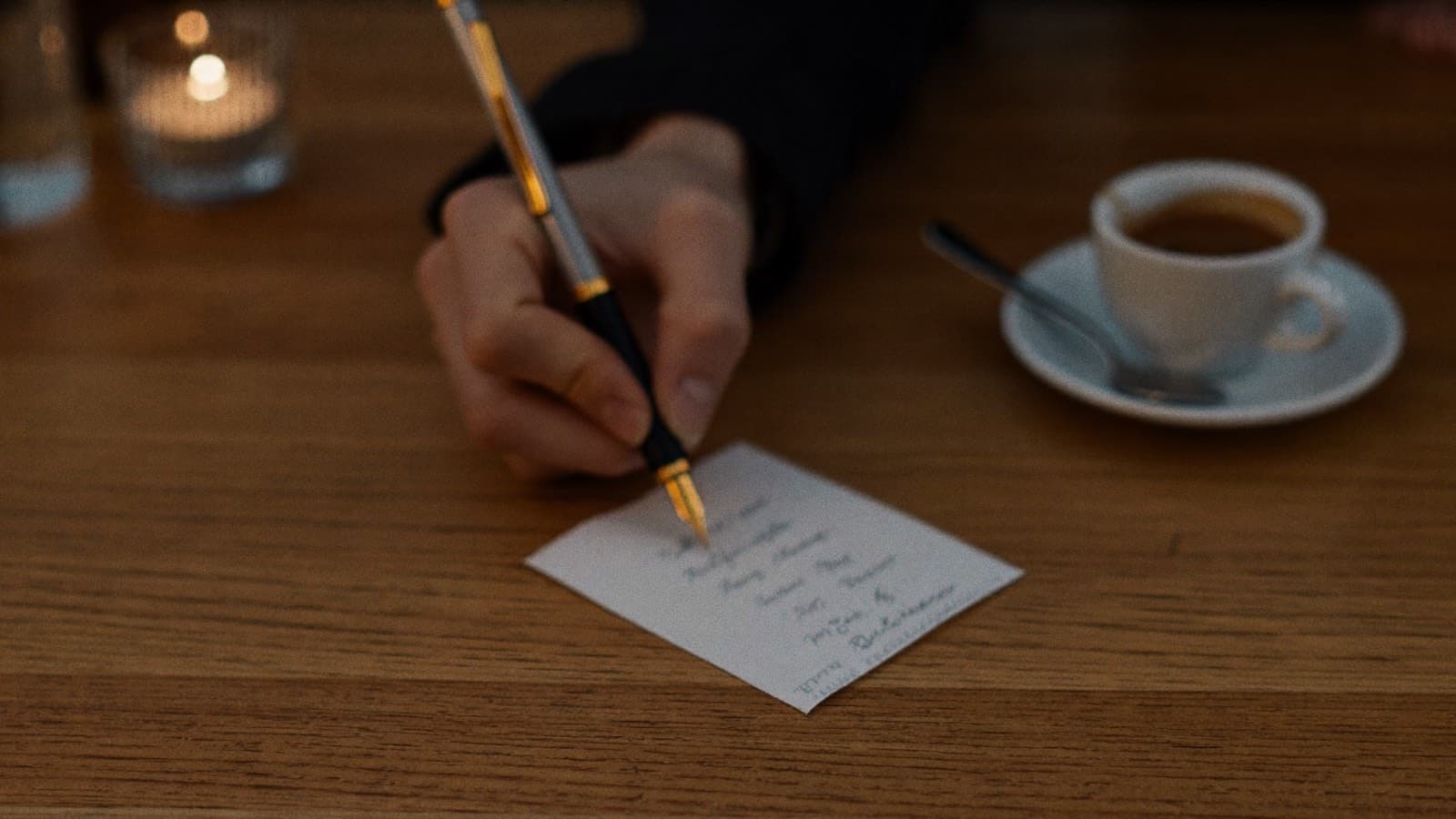
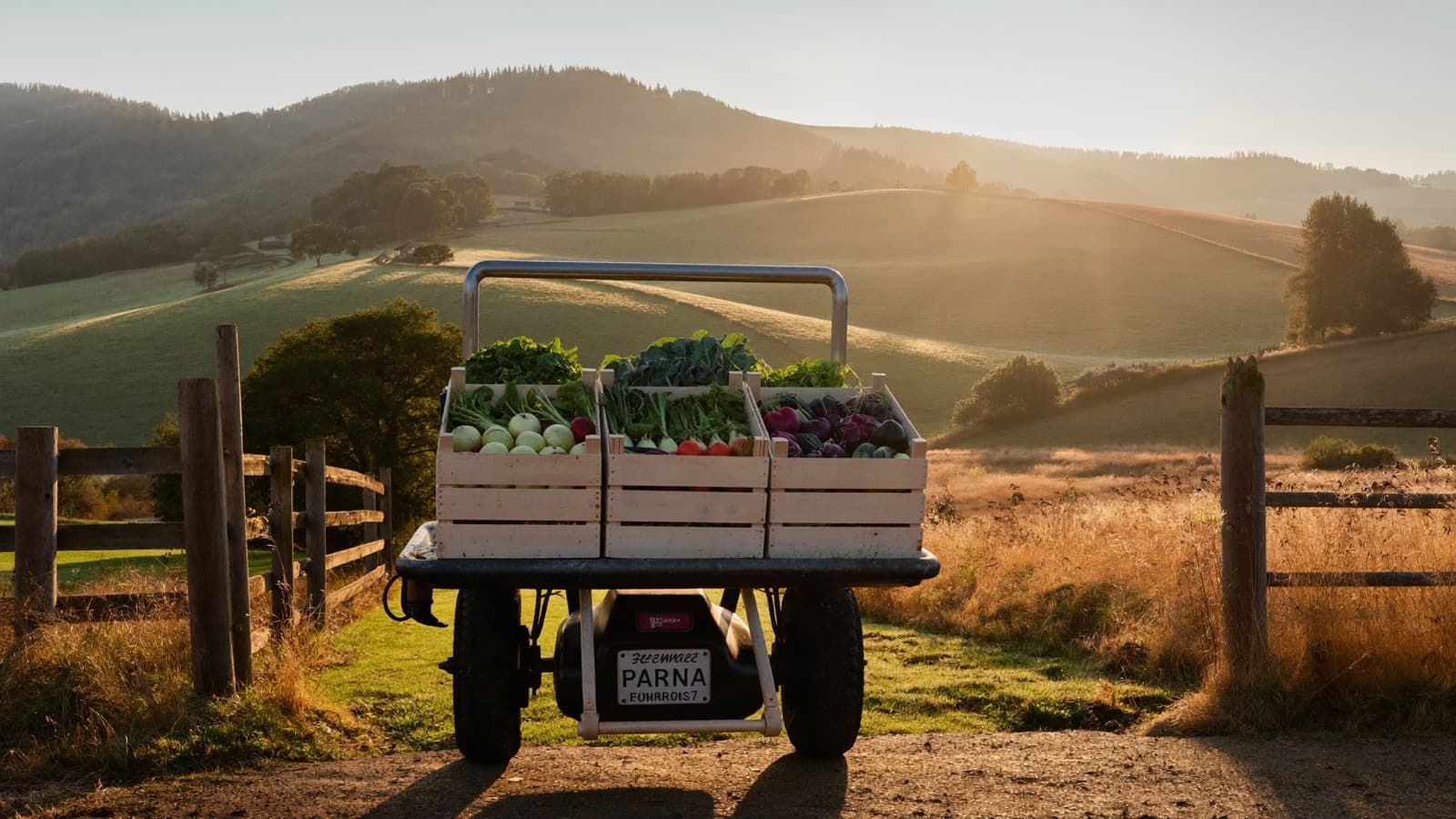
In 2018, when there were twelve seats and a single cast-iron pan, I wrote one rule on a piece of butcher's paper and pinned it to the wall: nothing on the menu would travel more than 200 kilometres to get to the table.
Eight years later, the wall is gone — we moved kitchens twice and the paper got lost somewhere in the move. But the rule has not.
It's a strange rule for a Japanese-influenced kitchen in Australia. The cuisine that taught me most — kaiseki, the slow seasonal cooking of Kyoto — assumes a forager who knows the mountain by name, a fisher you ring the night before, a grower whose Tuesdays you've memorised. None of that translates straight across to a city of five million people with a kitchen on Crown Street.
So we adapted. The Japanese discipline travels; the ingredients don't. Saffron has to be Tasmanian (and, yes, it is — the threads from Tasmanian growers are world-class, picked by hand, and they sit in a sealed jar in our pantry between October and January). Yuzu is sourced from a single grower in northern New South Wales who took five years to get a tree to fruit. Wagyu is from Robbins Island in Bass Strait — closer to us than to Tokyo, MB9+ marbled, raised on coastal grass that gives it the faintest mineral note. Tea is from Gilan, except it isn't — Gilan-style green tea is grown commercially in Daintree, Queensland, and we buy from the cooperative directly.
The rule costs us. There are nights when we can't get what we want. We work around it. We have never broken it.
People ask me sometimes if 200km is the right number — would 100 be better, 50? I don't think so. We chose 200 because it forces a discipline without becoming a stunt. A 50km rule would mean no Tasmanian saffron, no Brisbane natives. A 500km rule would be too easy.
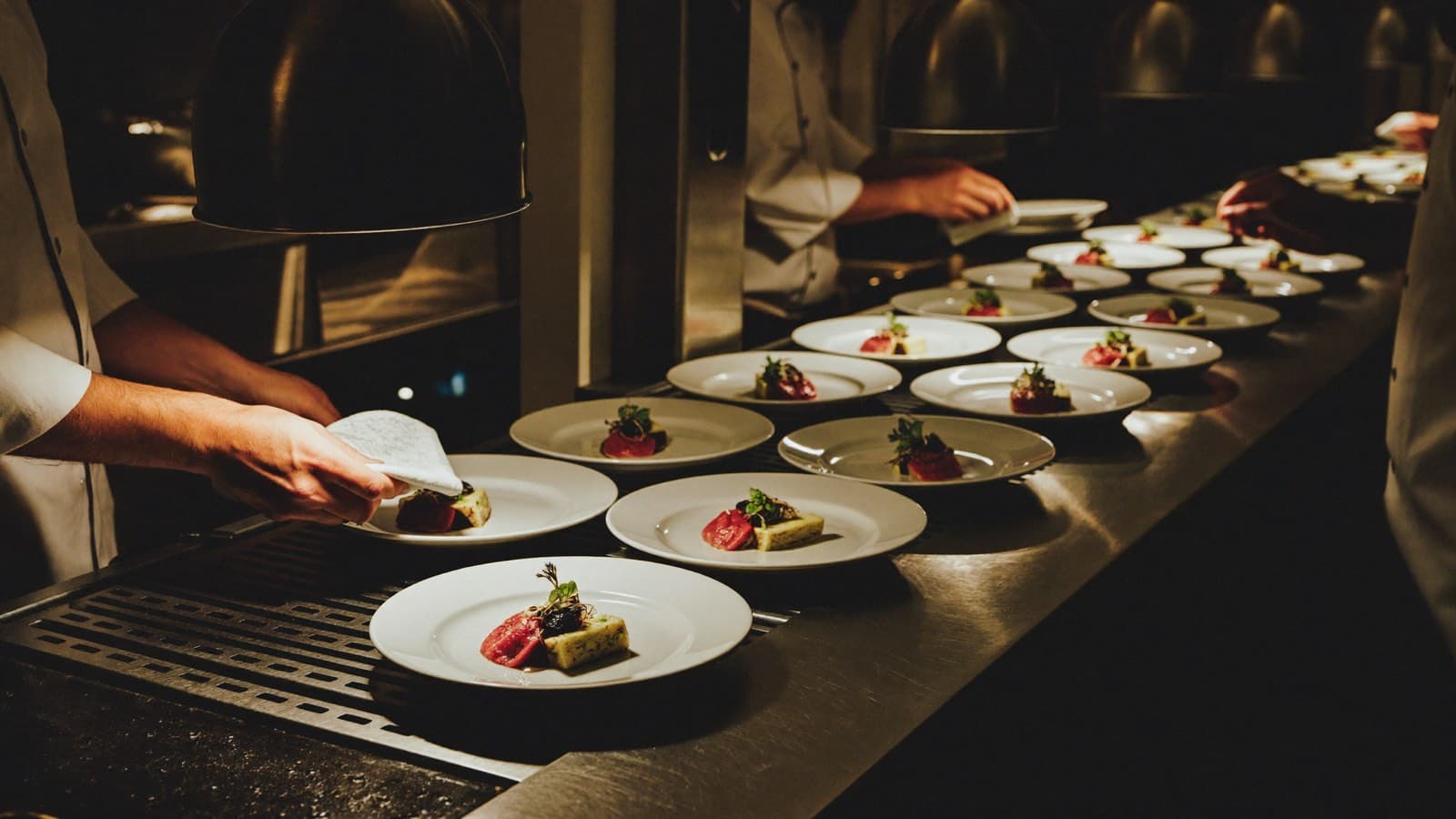
What 200 buys us is the thing the rule was for in the first place: a kitchen that knows the names of the people who grow what it cooks. Mary, our fishmonger, has been our supplier for seven years. She knows my voice on the phone. She knows what we will and won't take. Once, when we had a wedding catering job too big for her usual catch, she called every other supplier she knew until we had what we needed by 9am the next morning. That's not a transaction; that's a kitchen.
The rule, in other words, is not really about food miles. It's about who you cook with. Every plate we send out comes from someone whose Tuesday we have memorised.