operations / values
How we scale without losing it.
3 min read
Words by Sara Tehrani
Four kitchens, one rule: nothing leaves the pass that wouldn't pass at the original.
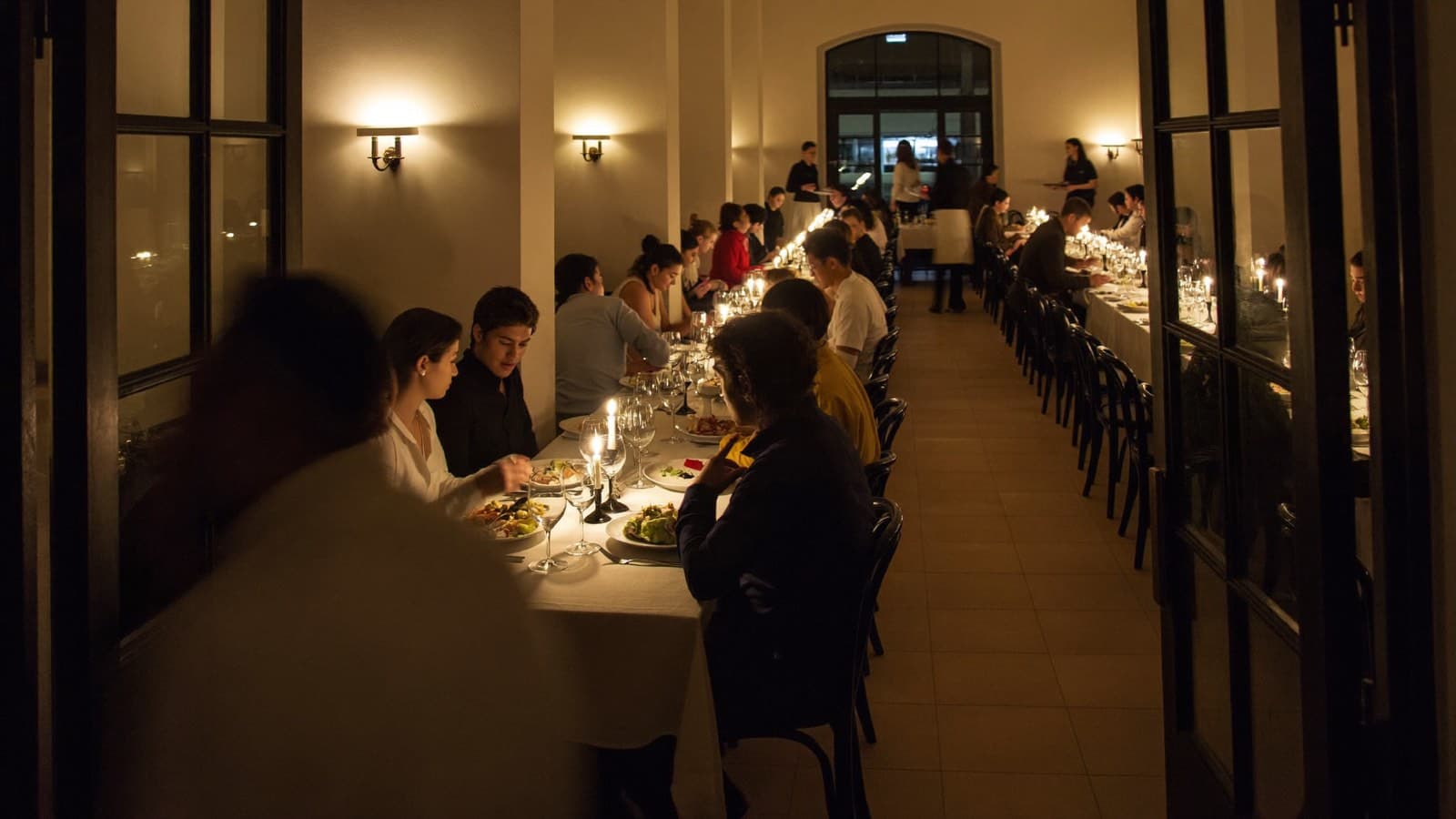
We are now four kitchens — Surry Hills, Fitzroy, West End, Sydney CBD. We've added one branch every two to three years. People ask me, often, how we keep them consistent.
The honest answer is: we don't try to make them identical. We try to make them legible.
Identical is what a chain restaurant aims for. Same recipe card, same plating diagram, same supplier list, same script. Identical is dependable, but it is also dead. A guest can tell when the room has been Xeroxed.
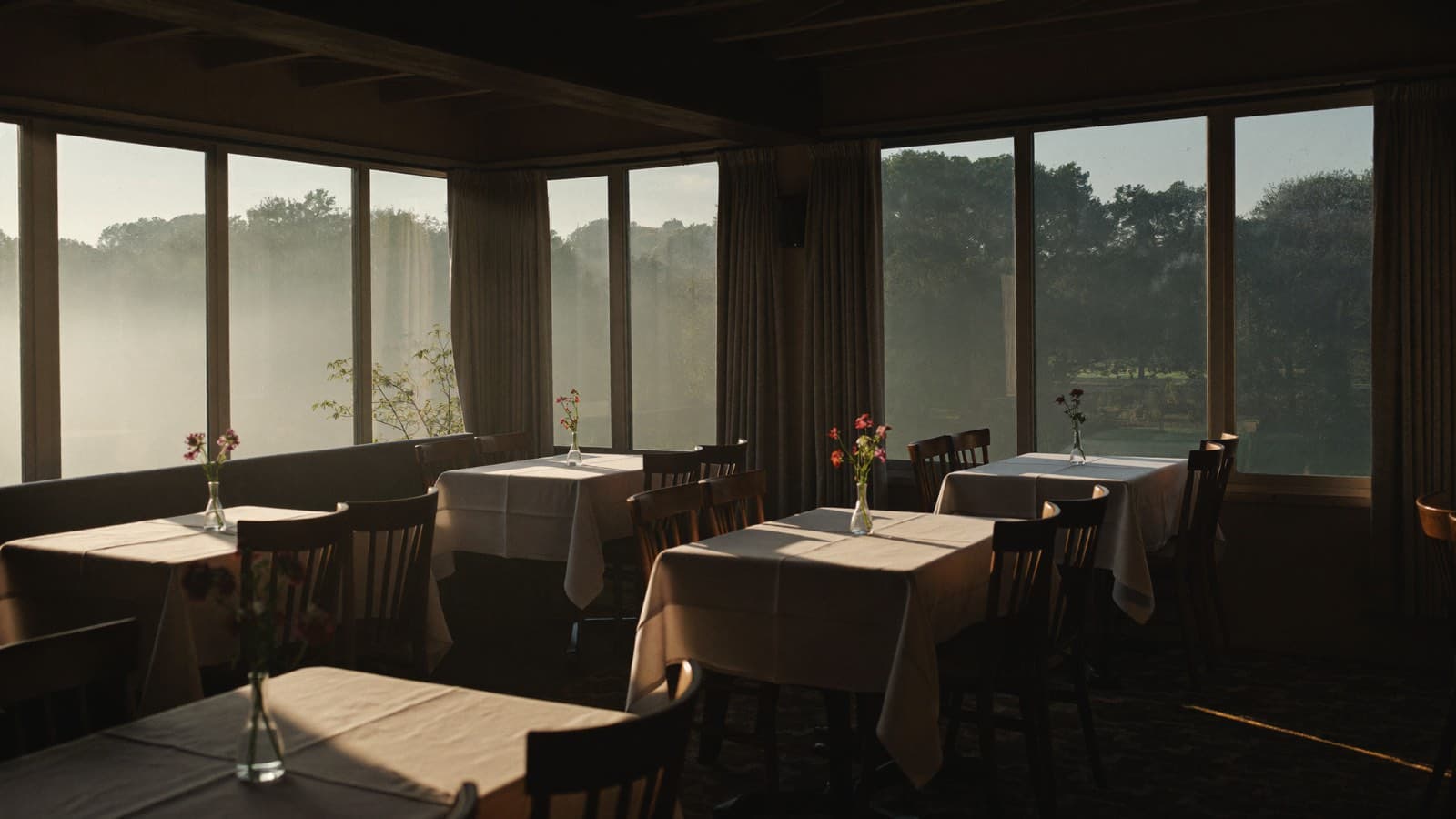
Legible is different. Legible means every branch is unmistakably Ikigailand, but not in spite of where it is — because of it. The Fitzroy room has a single chef's bar that the Sydney rooms don't have. The West End courtyard has a cold-dish lean in summer that the Sydney CBD basement can't match. The Surry Hills original still has the twelve seats it started with, and those seats are a different shape from every other branch's seats.
What does carry across:
- The 200km rule. Each branch's supplier list is local to its city. The rule is not.
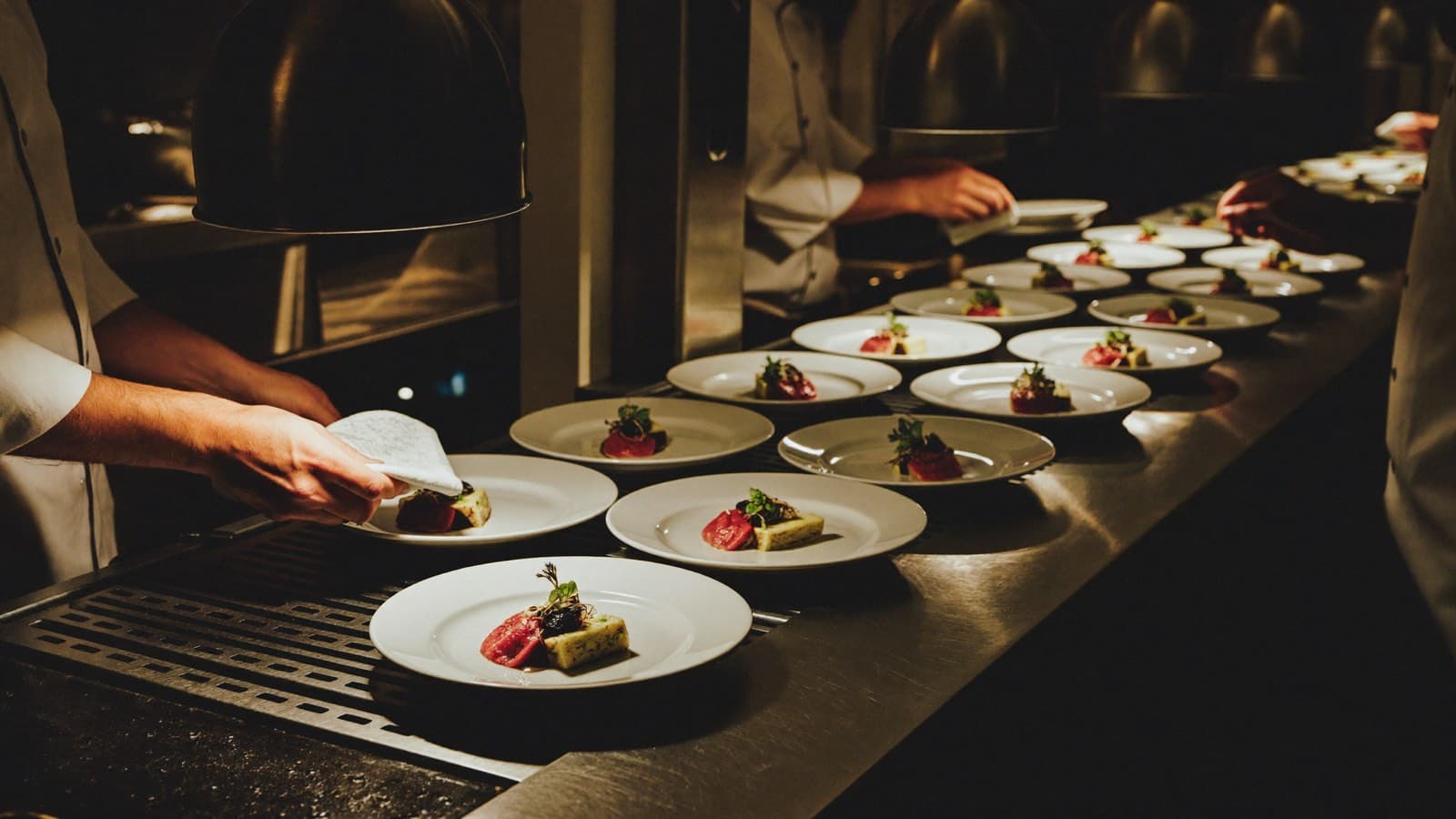
- The pass discipline. Every plate that leaves any pass has been tasted (literally, with a teaspoon, off the same plate) by a senior cook before service. This is non-negotiable across all four kitchens.
- The fortnightly review. Every head chef sends me three things every other Tuesday: the dish they are most proud of from the past two weeks, the dish they are least proud of, and the supplier who has surprised them. I send back two paragraphs each.
- The annual kitchen swap. Every cook in every branch swaps with another cook in another branch for one week a year. Surry Hills sends a commis to West End. West End sends a sauce cook to Fitzroy. Sydney CBD sends a pastry to Surry Hills. They go on full pay. They come back with new ideas. We've taken seven dishes onto our permanent menu over five years from this exchange.
The bit that doesn't scale, and that we have to refuse, is shortcuts. Every time we have opened a branch we have been told that we should pre-mix some component — the broth base, the rice seasoning, the ferment base — and ship it to all branches from a central commissary. It would save thirty per cent in food labour. It would also make the food a little worse, every time, in a way the guest couldn't name but would feel.